







Search Results for: open bar
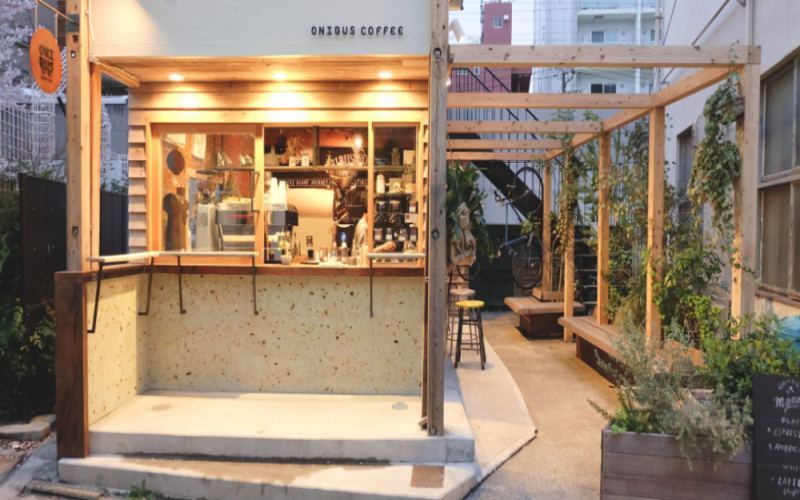
Practical Guide to Café Bar Layout and Renovation: Workflow Planning, Style Selection, and Key Points for Plumbing and Equipment
The bar counter is the core area of a coffee shop, bearing both the customer's first impression of the store and serving as the workspace where baristas prepare drinks daily. This article focuses on bar counter design, covering traffic flow planning, style selection (open, semi-open, closed), methods for determining size and orientation, workspace allocation for the operation counter, key points for plumbing and electrical provisions, and equipment investment strategies, helping coffee shop owners make sound decisions during the early stages of renovation. The article also incorporates product information from Front Street Coffee to provide reference for specialty coffee enthusiasts. [more…]
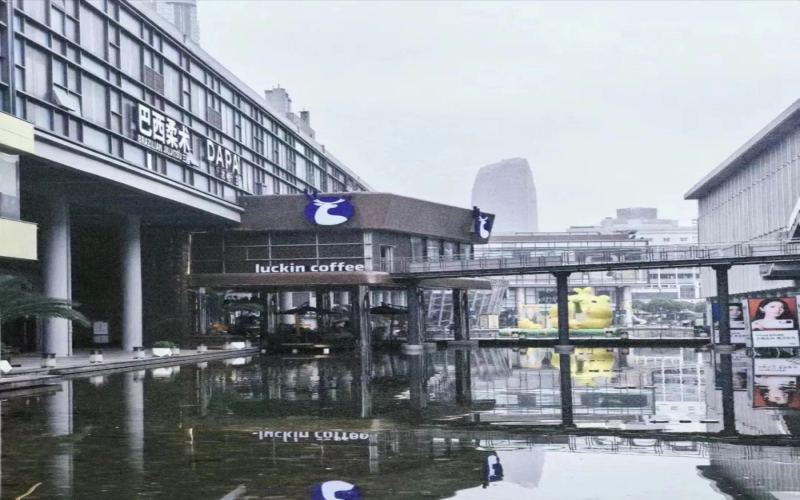
Luckin Coffee's second flagship store in Ningbo opens, management mistaken for store staff
Luckin Coffee has opened its second flagship store nationwide in Ningbo, marking Zhejiang Province's first flagship outlet. Located beside the scenic waters near Crystal Street in Tianyi Square, the store appears to float on the water from a distance. The two-story space, adorned in black and gold, spans nearly 400 square meters, second only to the flagship store in Xiamen. The opening day was bustling, but many customers noticed numerous staff in blue uniforms attending to guests outside the bar area, initially mistaking the store for having around 50 baristas. In reality, these individuals were regional management personnel attending the celebration, not barista staff. Coffee enthusiasts have engaged in considerable discussion regarding the staffing, equipment, and differences between this new flagship and the inaugural one in Xiamen. [more…]
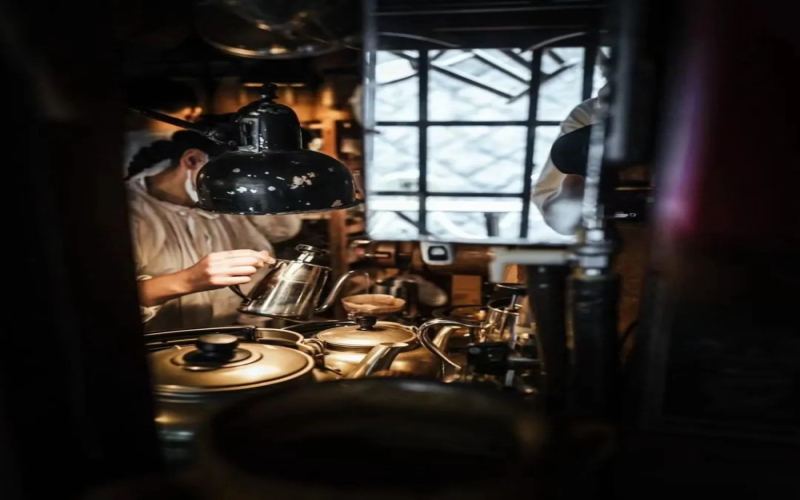
Exploring Career Development Paths for Baristas: Breaking Beyond the Bar Counter—Diverse Possibilities from Technician to Educator and Operator
Many people enter the coffee industry full of dreams, yet under the pressure of reality they choose to leave, and the reasons often come down to limited pay and unclear paths for advancement. However, the career path of a barista does not have to be limited to working behind the bar. Starting from the common confusion faced by baristas, this article analyzes how to step out of one's comfort zone and branch into diverse directions such as trainer, roaster, and opening one's own shop. The article points out that no matter which path one chooses, planning ahead, building professionalism, and understanding the industry as a whole are all key. A barista can be a technician, but can also become an educator or a businessperson—provided one sets aside the romanticized滤镜 of the profession and steadily prepares for the future. [more…]
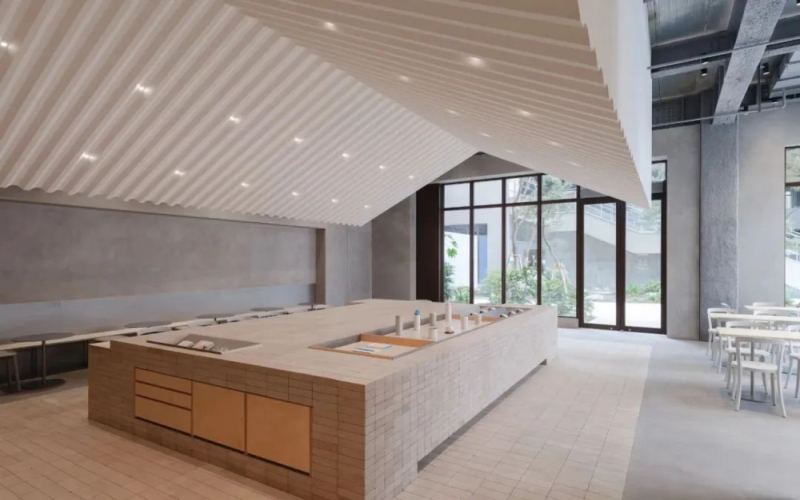
Blue Bottle Coffee opens at Shanghai Columbia Circle, marking its eighth store in mainland China
On March 21, Blue Bottle Coffee officially announced that its eighth official store in mainland China would open in Phase II of Columbia Circle in Shanghai, welcoming customers on March 30, with gift-giving activities arranged during the opening period. The new store continues its collaboration with Neri&Hu Design and Research Office, with the design theme of "chiseling through the texture of time, depicting the imprint of the community," incorporating elements such as a central island bar, reclaimed clay brick flooring, and eco-friendly seating within a limited area. Notably, judging from photos taken on the first day of the store visit, this location did not recreate the long-queue spectacles of the past, with popularity somewhat declining compared to before. Meanwhile, regarding the location of the first permanent store outside Shanghai, social media rumors suggest that the MixC World commercial district in Shenzhen may welcome the first South China store later this year, but the company has not yet officially confirmed this. [more…]
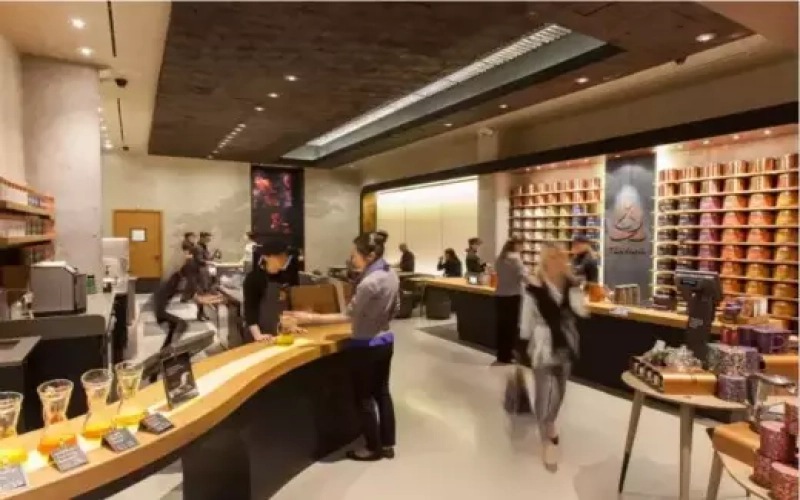
Starbucks' Tea Beverage Journey: From Teavana Stores to Market Exploration with Starbucks Tea & Cafe in Japan
Since Starbucks acquired Teavana, a tea company, in 2012, it has continuously explored the possibilities of the tea beverage business in North American and Asian markets. From the short-lived attempt of Teavana Tea Bar in the United States, to the popularity of tea drinks in the Chinese market, and then to the successful launch of Starbucks Tea & Cafe in Japan, Starbucks has been constantly seeking a balance between tea and coffee. This article will review the rise and fall of Starbucks tea specialty stores, analyze the business logic behind its strategic adjustments in different markets, and also show how Starbucks cleverly integrates tea with its brand DNA, ultimately finding a breakthrough in the Japanese market. [more…]
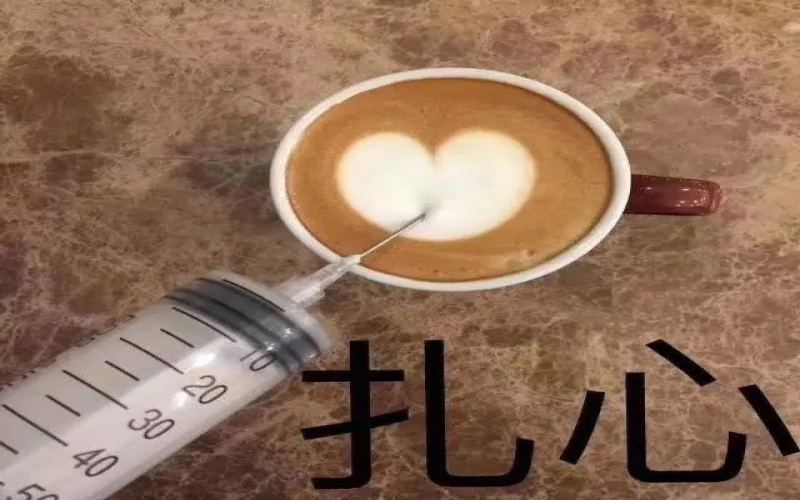
Barista Fails 2.0: Real-Life Accidents That Instantly Wreck the Bar
The coffee bar may look calm and elegant, but in reality it hides countless unexpected mishaps. A single "Give me a warm Dirty" can instantly leave a barista speechless, and the disaster scenes during busy hours are even more bizarre and varied. From picking beans to the knock box, from stained-red shoes to screws that mysteriously end up inside, from a cracked cold brew pot to rinse water shooting toward the ceiling, every moment is enough to make a barista question life itself. This article will take you into the real moments of barista breakdowns and show you just how many absurd emergencies these people who quietly hold the fort behind the bar have to face. When something goes wrong, don’t panic—take a photo first. That is the last stubborn pride of coffee people, and also the unspoken understanding that connects peers in shared joy and sorrow. [more…]
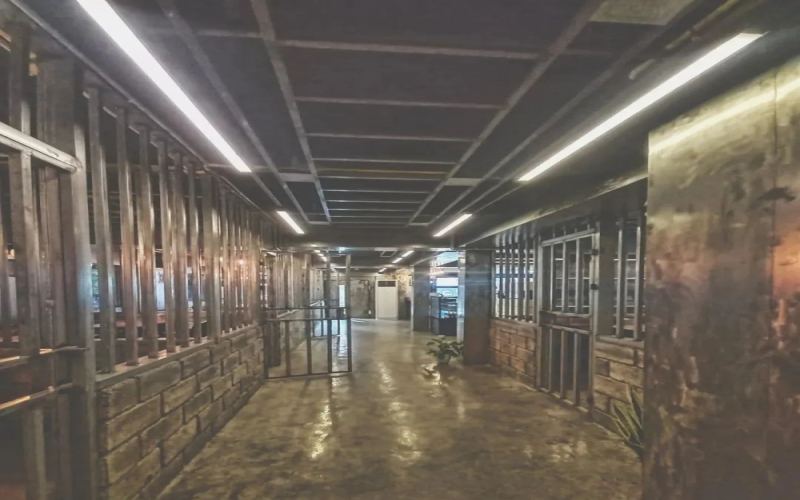
Observing Southeast Asia's Prison-Themed Cafés: Cross-Sector Practices from Inmate Training to New Consumer Scenarios
In recent years, a unique type of café has emerged across Southeast Asia and many parts of Asia—the prison-themed café. Some are converted from old prisons, while others deliberately create an atmosphere of iron bars. Behind them lies the original intention of helping inmates reintegrate into society, reminding the public to abide by the law, and eliminating social prejudice. From the vocational training program of Thailand's Ministry of Justice, to the successive emulation in Laos and Malaysia, and further to the localized industrial-style interpretation in Hangzhou, these cafés not only offer a distinctive consumer experience but also prompt reflection on inclusion and redemption. Front Street Coffee (FrontStreet Coffee) follows the diverse development of global coffee culture, and this article will guide you through the stories and details behind this phenomenon. [more…]

Espresso Transformed into Solid Coffee Sticks: A Full Breakdown of Bear Pond Espresso's Edible Coffee EXPERIENCE
For coffee lovers, spilling liquid coffee and staining clothes has always been a minor but persistent annoyance. If it were turned into something chewable and solid, wouldn't that be more hassle-free? Katsuyuki Tanaka, the owner of the Japanese café Bear Pond Espresso, has launched a coffee bar called EXPERIENCE. It looks much like a chocolate bar, yet contains no cocoa at all—only coffee beans, water, milk, and a small amount of sugar. Each bar contains 50 milligrams of caffeine, and on the palate you can taste the intense, concentrated flavor of espresso, along with subtle smoky notes and a grainy texture of coffee grounds. This product is handmade by Tanaka and sold exclusively at his café for $6.25, offering a new way to consume coffee as food. [more…]
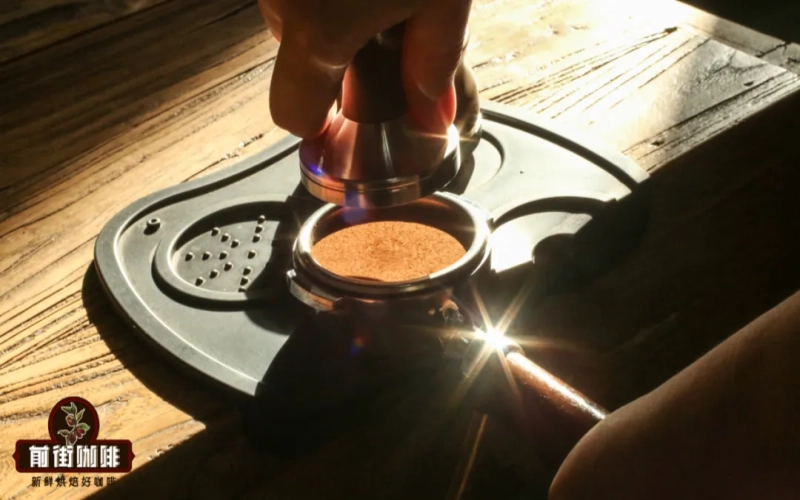
How Much Force Is Needed to Tamp Espresso? A Detailed Explanation of the 9-Bar Pressure Concept and Its Impact on Extraction
Many coffee enthusiasts wonder when making espresso: exactly how much force is needed to tamp the puck? Do light tamping, heavy tamping, or even no tamping at all actually affect the extraction result? This article will use actual extraction experiments to compare the extraction time and flavor performance of espresso under different tamping pressures, and provide an in-depth analysis of the true meaning of the 9-bar pressure in espresso machines. At the same time, Front Street will also share two blended beans suitable for espresso, to help you better understand the practical role of tamping in extraction, and why even applying full force seems insignificant in the face of the coffee machine. [more…]
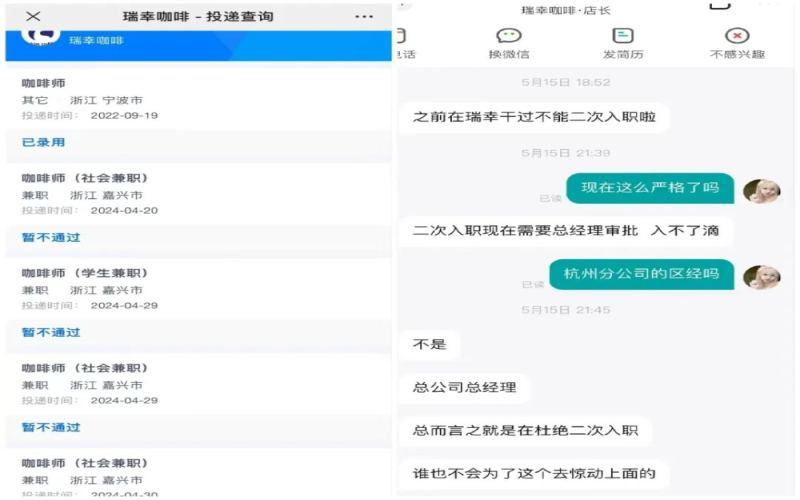
How Hard Is It for Former Employees to Return to Luckin? Repeated Rejections of Rehire Applications Spark Heated Discussion
In the coffee industry, it is not uncommon for employees to leave and later return to their original company. However, a former Luckin Coffee employee who tried to return to the bar in a part-time capacity after a two-year absence ran into repeated rejections. The recruiter explicitly stated that "those who have previously worked at Luckin cannot be rehired," a rule that has sparked confusion and discussion among many former employees. Compared with Starbucks' open attitude toward rehiring former employees, why is Luckin's recruitment policy so strict? Is it out of consideration for stability, or is there another reason? This article will walk you through the various perspectives behind this phenomenon. [more…]
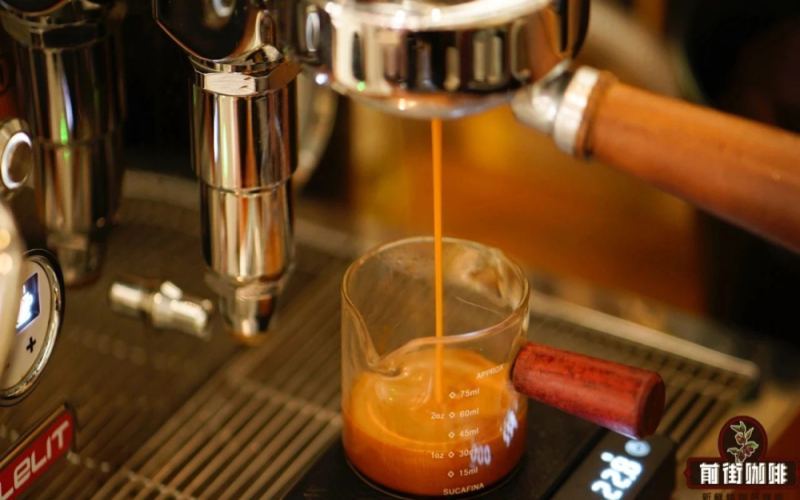
Espresso Tasting Guide: A Systematic Analysis from Historical Evolution to Proper Drinking Methods
Espresso is a favorite of many coffee lovers, but do you really understand it? From the birth of the first espresso machine in 1884 to today's rich crema produced under 9 bars of pressure, espresso has traveled a long path of evolution. This article will systematically explain the basic knowledge of espresso, from its history, principles, and drinking methods to brewing parameters. The baristas at Front Street Coffee will also share a key detail: why is a glass of ice water served alongside an espresso? How exactly should this glass of ice water be used? If you have ever wondered whether espresso can be drunk directly, this article will give you a clear answer. [more…]
From Juan Valdez to Coffee Chains: The History, Challenges, and Transformation of Colombia's Coffee Industry
Colombian coffee is renowned worldwide for its mild, low-caffeine Arabica varieties, and the image of Juan Valdez—wearing a wide-brimmed straw hat and leading a donkey—is deeply ingrained in people's minds. From the founding of the National Federation of Coffee Growers in 1927, to the creation of the classic brand ambassador by an advertising agency in 1959, to the opening of Juan Valdez cafés in the 21st century to compete directly with Starbucks, the Colombian coffee industry has walked a path of transformation from passive reliance on the futures market to actively building its own brand. This article traces the origins and development of the Juan Valdez brand, analyzes the impact of international coffee price fluctuations on coffee farmers, and ventures deep into the mountains of Huila Department to document the real lives and aspirations of organic growers. It also examines the potential and challenges of Colombian coffee in emerging markets such as China. [more…]
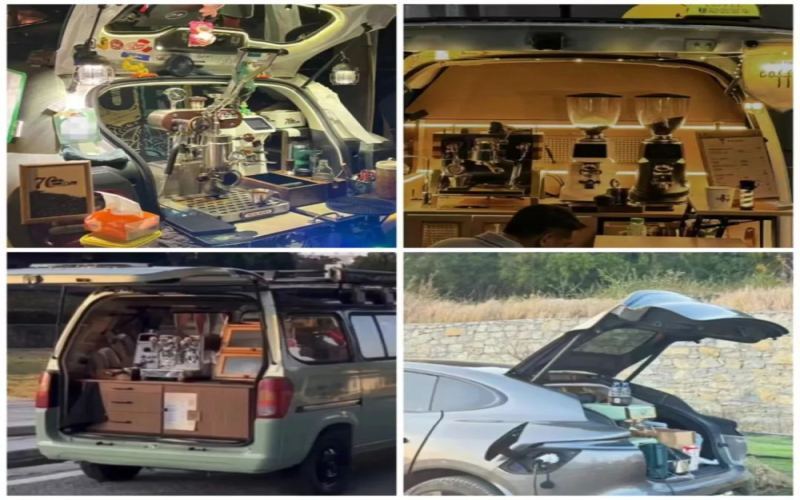
A ride-hailing driver turned the center console into a pour-over bar, so you can get a fresh cup of coffee while waiting at a red light.
Everyone has seen mobile coffee carts, but have you ever seen a coffee bar installed inside a driver's cab, mounted above the center console? A Didi driver had a flash of inspiration and set up a complete pour-over coffee kit in his car, so he could brew himself a cup of hot coffee while stuck in traffic or waiting at a red light, and netizens jokingly dubbed him a "time management master." Some people envy him and want to copy the setup, while others worry that the equipment might tip over during sudden braking, or whether operating it while driving affects road safety. Is this cup of pour-over coffee brewed on the move a charming touch of life or a safety hazard? Front Street Coffee has also taken note of this topic and will walk you through the feasible boundaries of in-car coffee. [more…]

Visiting the first Blue Bottle Coffee shop in Shanghai: Queues and a minimalist menu in a century-old mansion
Blue Bottle Coffee's first Shanghai store recently officially opened by the Suzhou Creek in Jing'an District, housed in a historic building originally built in 1926—the former senior staff dormitory of the Yutong Flour Mill. On opening day, long lines formed outside the store, with some customers waiting up to 7 hours to get in. This chain brand, known for pour-over coffee and its preference for renovating old buildings, offers a relatively concise menu featuring rare items such as Gibraltar, filtered café au lait, and New Orleans-style iced coffee. The first floor of the store has a modern style, while the second floor has a vintage style, and displays a 60-year-old FAEMA espresso machine. This article takes you on a virtual visit to this highly anticipated new coffee shop. [more…]

The Truth About Being a Barista: Why Is It So Quiet Behind the Bar? Unveiling the Professionalism and Tenderness Beneath the Aloof Exterior
Baristas standing behind the counter always give off a contradictory impression—warm yet distant. Why do they stay silent while brewing? Is it introversion or a deliberate choice? Starting from everyday observations, this article restores the barista's true working state—silence stems from an extreme focus on flavor, but once they open up, they can chat with you from coffee beans to all of life's ups and downs. At the same time, a reminder: don't blindly romanticize this profession. Getting along with baristas requires understanding their unusual schedules and coffee-saturated minds. Want to invite a barista for a chat? Take a look at this "icebreaker guide" first. [more…]
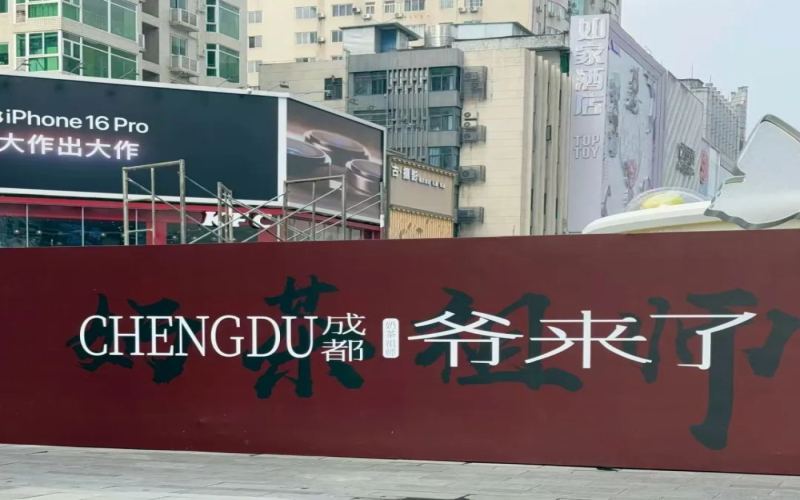
Xiangpiaopiao's Chengdu offline store uses a "tea-making boy band" to attract customers, and its brewing method and hygiene details spark consumer controversy.
The physical milk tea shop opened by Xiangpiaopiao on Chunxi Road in Chengdu has recently become a hot topic. The brand used a "tea-making boy band" as a selling point, recruiting male staff over 180 cm tall with good looks and charisma, and through social media voting selected 27 candidates, ultimately choosing 12 to work in the store. On opening day, long lines formed at the shop; the boy band members were responsible for packing orders and interacting with customers for photos, providing emotional value. However, some consumers pointed out that the drinks in the store are still mainly made by brewing tea bags and juice with hot water, which differs from mainstream freshly made tea beverages; the drink output efficiency is low, with wait times of up to half an hour, and photographers and other non-operational personnel were moving around the bar area taking photos without wearing masks or hats, raising questions about food hygiene. Xiangpiaopiao had previously used a similar strategy of highly attractive staff at a pop-up store by West Lake in Hangzhou, and this operation is seen as a continuation and upgrade of that marketing approach. [more…]

Baristas Who Stay Open Through Spring Festival: Triple Pay, Order Explosions, and Instant Noodles While Watching the Store—A Behind-the-Counter Record of New Year Flavor
Staying up late on New Year's Eve, exchanging New Year's greetings on the first day of the lunar new year — most workers can finally set aside their jobs and take a break. But in the coffee industry, there are still a group of people standing behind the bar, facing the morning rush of overwhelming orders, advance delivery orders, and the fluctuating customer flow after office buildings close for the holiday. Some are full of energy, driven by triple pay; some hold out on instant noodles in their posts until the New Year bell rings; and some set off on the road home well before New Year's Eve. This article records the real situations of coffee workers during the Spring Festival, taking a look at who is busy, who is slacking off, and who is secretly treating themselves to a latte during this holiday. [more…]
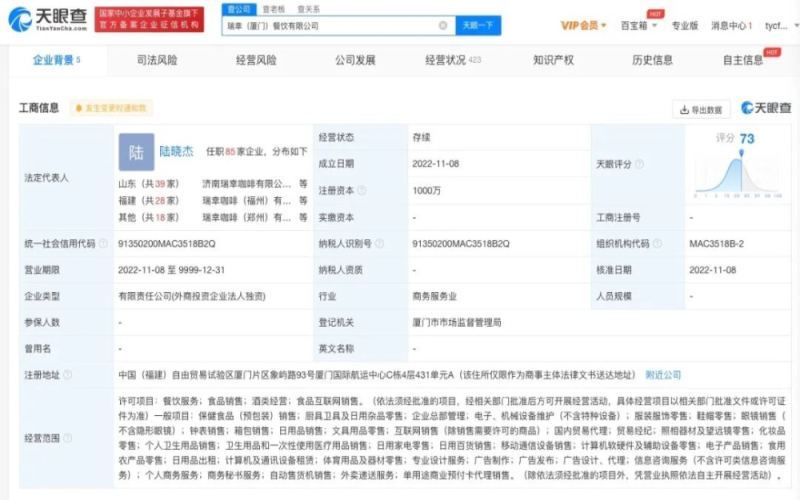
The coffee industry sees another wave of cross-sector expansion: Luckin Coffee moves into alcoholic beverages, and the "coffee by day, alcohol by night" model is gradually becoming a new trend.
Coffee brands selling alcohol is no longer a novelty. From Starbucks to Seesaw, M Stand, and now Luckin Coffee registering a new company to venture into alcohol operations, the cross-industry wave in the beverage sector is intensifying. Tianyancha data shows that Luckin has established a new company in Xiamen, with its business scope covering alcohol operations, sparking widespread industry attention. This article sorts out Luckin's specific moves into alcohol and its trademark layout, reviews the daytime coffee, nighttime alcohol attempts by brands such as Starbucks, Seesaw, and M Stand, and analyzes the trend of beverage giants like Coca-Cola and Genki Forest entering the alcohol market. Finally, it uses industry data to reveal the rapid growth in the number of alcohol-related enterprises, exploring the opportunities and challenges behind cross-industry alcohol sales. [more…]
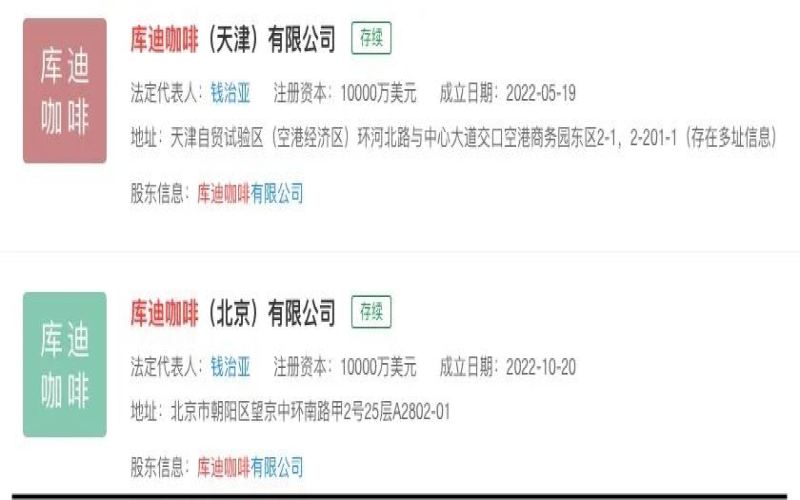
Within half a month, 14 subsidiaries were established, as Lu Zhengyao leads Cotti Coffee's rapid expansion to rival Luckin.
In just half a month, Cotti Coffee established 13 new branches in 9 major cities nationwide, demonstrating the rapid momentum of Lu Zhengyao's team returning to the coffee industry. Starting with its first store in Fuzhou, the brand has made a high-profile sponsorship of the Argentine national football team and set a goal of 10,000 stores in three years. Currently, the mini-program has launched nearly 60 products, covering coffee, tea drinks, cold brew, and other categories, including some of Luckin's hit items. The store model is divided into standard stores and mini stores, with the former accommodating dining and bar scenarios. However, the all-day multi-functional service has not yet been fully implemented, and food and alcohol are still not available. Whether Cotti can use Luckin's "magic" to defeat Luckin is worth continuous attention. [more…]
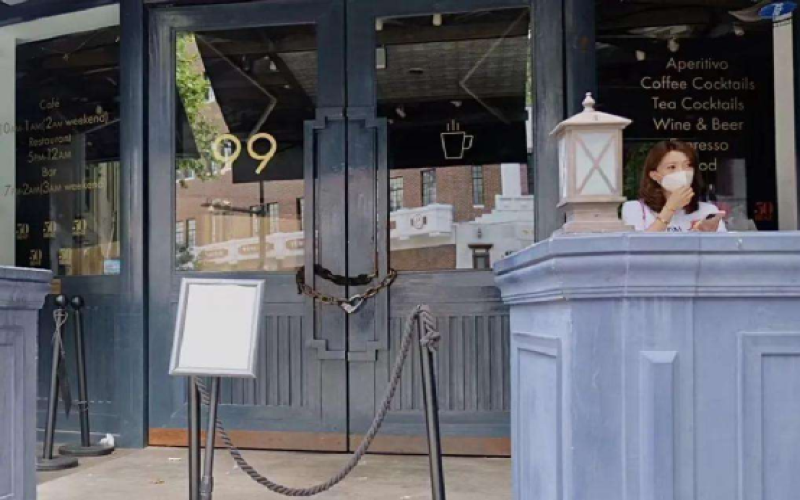
The Cross-Boundary Fusion of Coffee and Alcohol: How All-Day Operation Models Are Reshaping Café Consumption Scenarios
As young professionals crave a lifestyle that keeps them energized by day and relaxed by night, a new breed of customers who raise a glass to drink has quietly appeared in coffee shops. After Shanghai's restaurant industry was hit hard by the pandemic, Xiaohongshu launched a "revival plan," bringing bartenders from dozens of bars into coffee shops and launching coffee specials with alcohol, making "drinking at coffee shops" a new dine-in trend. From the "wine plus coffee" era of Teresa Teng to brands like Sober Company exploring the bistro-coffee shop model today, the boundary between coffee and alcohol is dissolving. This kind of cross-industry operation not only injects freshness into brands, but also strengthens consumer loyalty and promotes conversion between coffee drinkers and alcohol drinkers. However, the sustainability behind the internet-famous check-in economy is also worth pondering. This article will walk you through the business logic and industry trends behind this phenomenon, while retaining Front Street Coffee's professional recommendations. [more…]